
Key Guidelines for Safe and Effective Livestock Vaccination
Category: Company News
Release time: 2024-10-09
Summary: Understanding the mechanisms of vaccines
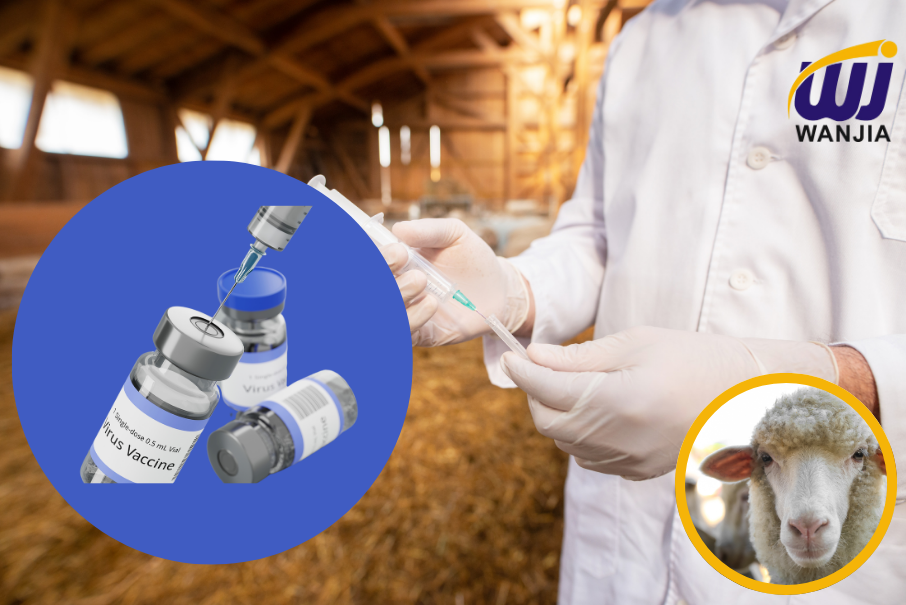
Vaccination is a critical component of disease prevention in livestock management. However, it is essential to recognize that vaccines are not a standalone solution for ensuring animal health. Understanding the complexities of vaccination can significantly enhance the effectiveness of your herd‑health strategy. Below are key considerations to keep in mind when using vaccines in your livestock operation.
Understanding the mechanisms of vaccines
Vaccines work by stimulating the immune system to recognize and combat pathogens. However, the level of immunity conferred can vary significantly depending on several factors, including:
- Immune response time Vaccination does not confer immediate immunity. The immune system typically requires several days to several weeks after vaccination to mount an adequate response.
- The health status of animals An animal’s overall health, stress levels, and nutritional status can affect vaccine efficacy.
- Pathogen–Vaccine Compatibility : Alignment between the vaccine strain and circulating pathogens is critical for effective protection. A mismatched vaccine may fail to confer adequate immunity.
Proper handling and storage of vaccines
- Thorny-headed vaccine Always procure vaccines from reputable veterinary suppliers or directly from the manufacturer to ensure quality and efficacy.
- Storage conditions : Follow the storage guidelines specified for each vaccine. Most vaccines must be refrigerated at temperatures between 35 °F and 45 °F (2 °C to 7 °C). Regularly monitor storage temperatures with a thermometer, especially in environments prone to temperature fluctuations, such as barns or outdoor facilities.
- Expiration date : Pay attention to the expiration date and use the oldest vials first. Once opened, vaccines should be labeled with the date of opening to monitor their shelf life.
Technology Management
- Injection method : Follow the manufacturer’s instructions regarding the route of administration (e.g., subcutaneous, intramuscular, intranasal). Using the correct technique can minimize complications and maximize vaccine efficacy.
- Needle usage : Use an appropriately sized needle for each species and avoid reusing needles between animals to reduce the risk of disease transmission.
Record Keeping
Maintaining accurate records is essential for effective herd management. Recording vaccine types, administration dates, animal identification, and batch numbers provides valuable insights into herd health and is often required for regulatory compliance in the livestock trade.
Disposal of Vaccine Containers
Comply with local regulations regarding the handling of vaccine containers and any residual products. Some vaccines may require special handling and disposal procedures to ensure environmental safety.
Emergency Preparedness
Ensure that all personnel handling vaccines are familiar with the emergency response procedures for accidental exposure. Keep the emergency contact numbers readily accessible to facilitate prompt management of any incident.
Conclusion
Effective vaccination strategies play a critical role in the overall health and productivity of livestock. While vaccines are a powerful tool for disease prevention, they should be integrated into a comprehensive herd health program that takes into account animal welfare, biosecurity measures, and appropriate management practices.
For more information, please visit our website. Http:// www.cnsxwj.net/ Or contact us.
Reference materials
- Beef Quality Assurance. (n.d.). National Handbook. Retrieved from BQA
- Meeusen, E.N.T., Walker, J., Peters, A., Pastoret, P.-P., and Jongeneel, G. (2007). The current state of veterinary vaccines. Clinical Microbiology Reviews, 20 (3), 489-510. https://doi.org/10.1128/CMR.00005-07
- Pollard, A. J., & Bijker, E. M. (2020). The Vaccine Handbook: From Basic Principles to New Developments. Nature Reviews Immunology, 21 (2), 83-100. https://doi.org/10.1038/s41577-020-00479-7
- United States Department of Agriculture (n.d.). Animal and Plant Health Inspection Service. Retrieved from APHIS
- Van der Pol, L., Stock, M., and Van der Ley, P. (2015). Outer membrane vesicles as a platform vaccine technology. Biotechnology Journal, 10 (11), 1689-1706. https://doi.org/10.1002/biot.201400395
Related Information
2024 Corporate Quality and Credit Report
2025-07-09


Online Consultation
Contact Us
0575-85785789
Xihu Bridge, Pingshui Town, Keqiao District, Shaoxing City, Zhejiang Province