GET A QUOTE

Online Consultation

Product Series

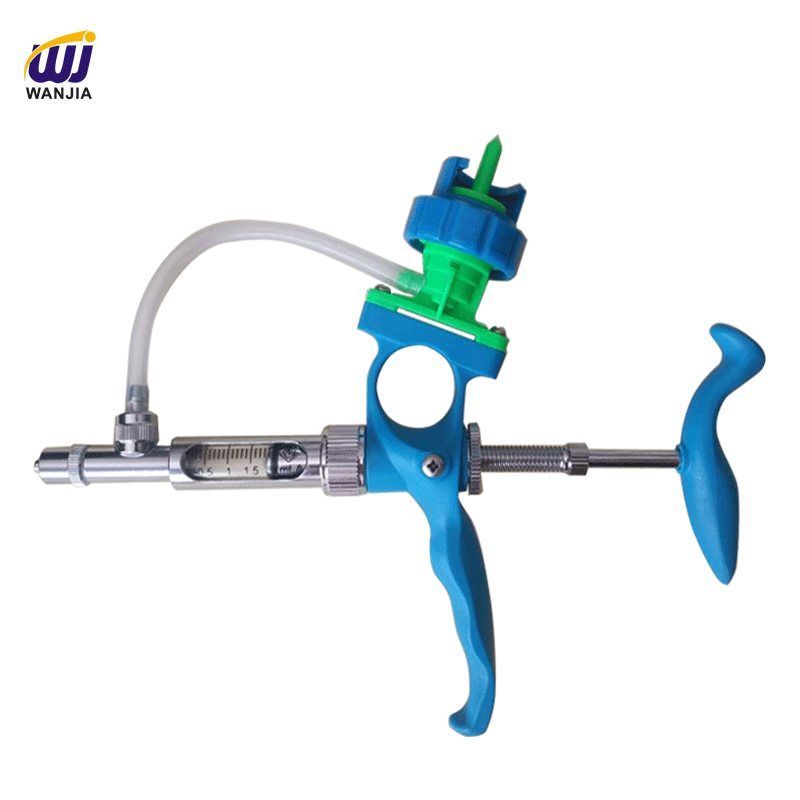
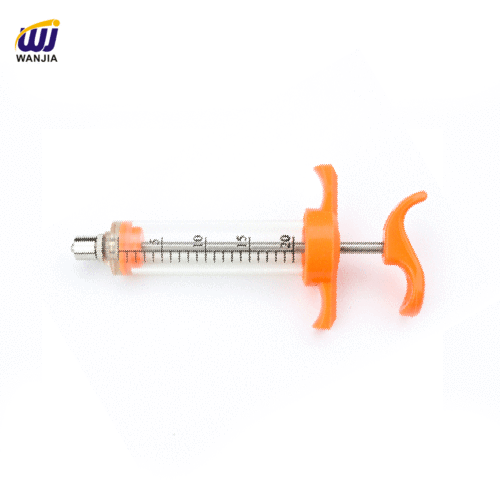
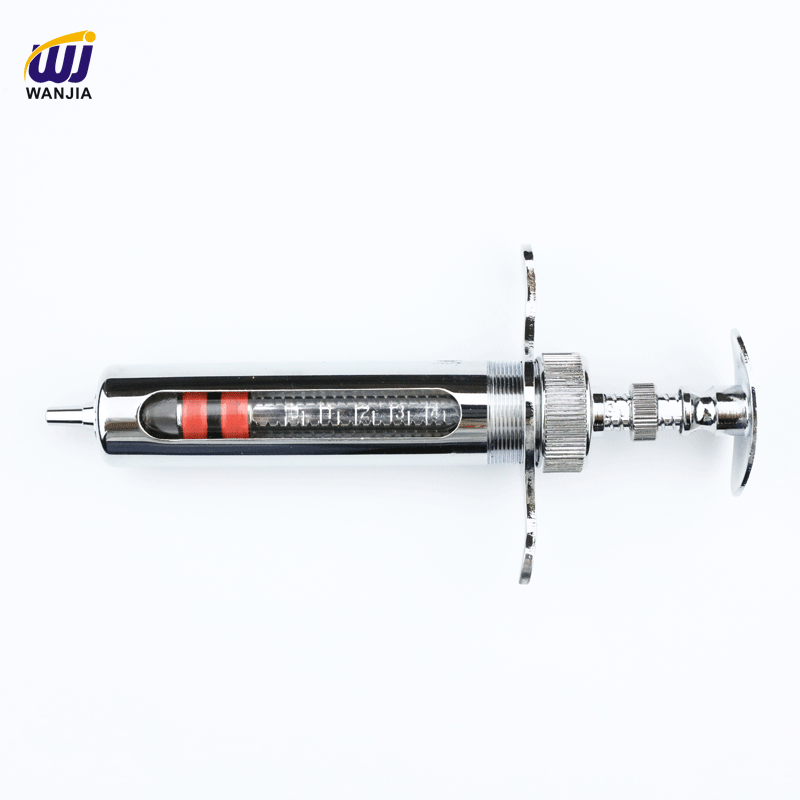
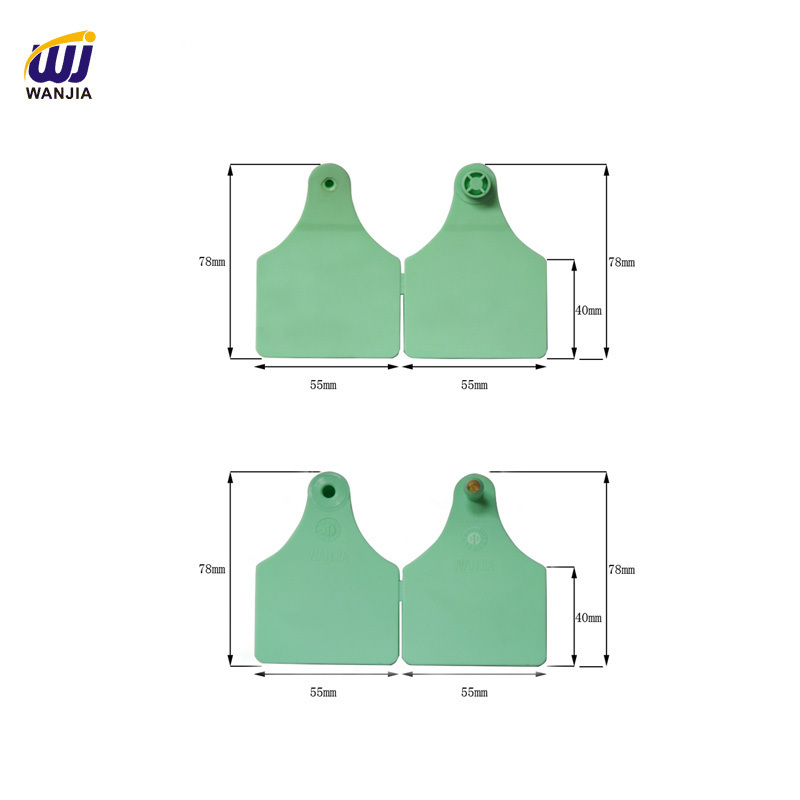
Centered on veterinary syringes, ear‑tagging devices, and livestock‑raising equipment, we provide a one‑stop solution for disease prevention and farm‑management equipment to the global livestock industry.

1985 year

Company establishment date

1 hour

Response within 1 hour

75 +

Patent certification, ensuring technological strength.

15 +

Professional R&D Engineer

Best-selling product

Company Profile

万佳

Veterinary Instrument Manufacturer Since 1985

Reliable veterinary syringes, ear tags, needles, injectors, and livestock equipment for global distributors.


WANJIA is a professional veterinary instrument manufacturer and livestock equipment supplier founded in 1985. We specialize in veterinary syringes, continuous injectors, plastic steel syringes, needles, ear tags, applicators, drenchers, and animal health products.

With advanced production facilities, strict quality control, and OEM/ODM capabilities, WANJIA provides reliable veterinary equipment for global distributors, veterinarians, and livestock farms.

Learn more

Production Capacity

Centered on veterinary syringes, ear‑tagging devices, and livestock‑raising equipment, we provide a one‑stop solution for disease prevention and farm‑management equipment to the global livestock industry.

Production base

Production base

Mass production · Reliable supply

Production process

Production process

Standardized Production · Efficient Delivery

Quality Control

Quality Control

Rigorous quality inspection · Stable and reliable

Manufacturing process

Manufacturing process

Precision Manufacturing · Consistent Quality

Qualification Certificate

National High-Tech Enterprise, Specialized, Refined, Distinctive, and Innovative, AAA Credit Rating for Integrity—each certification is an authoritative endorsement of WanJia’s quality.

Certificate

News

Follow Wanjia News to get the latest product updates, exhibition information, and cutting-edge industry insights in animal husbandry and veterinary medicine.

PE Disposable Long-Handed Glove Material Selection Guide: A Comprehensive Comparison with EVA, Nitrile, Latex, and PVC Gloves

Disposable gloves are widely used in animal examinations, artificial insemination, farm sanitation, food handling, and other applications where direct hand contact needs to be minimized. Gloves made from different materials vary significantly in terms of flexibility, fit, length, thickness, cost, and user experience. Standard PE gloves offer easy donning and doffing, controllable costs, and the advantage of readily producible long‑cuff versions. Composite gloves combining PE with EVA and elastic materials can further enhance flexibility and fit while retaining the practicality of PE. Nitrile, latex, and PVC gloves are generally better suited for fine‑motor tasks, but each has distinct characteristics regarding extra‑long cuff options, procurement costs, and specific application scenarios. This article compares disposable gloves made from PE, PE–EVA composites, nitrile, latex, and PVC, helping veterinary equipment distributors, importers, livestock farms, and OEM customers select the appropriate material, length, weight, and packaging based on their intended use.

2026-09-05

What are the main components of a veterinary continuous syringe?

Veterinary continuous syringes typically consist of a barrel, plunger, dose‑adjustment mechanism, fluid inlet/outlet valves, sealing rings, a handle, a return‑to‑zero mechanism, and a needle hub. Drawing on the practical needs of global veterinary‑device purchasers, pharmaceutical‑company buyers, and wholesale customers, this paper explains how each component influences liquid aspiration, recoil, sealing performance, and dose‑dose stability.

2026-08-28

Which animals are compatible with veterinary silicone teats? An introduction to teats for calves, lambs, piglets, and pets.

Wanjia veterinary silicone teats are available in a variety of lengths, diameters, and base designs, making them suitable for artificial feeding of calves, lambs, piglets, and young pets. This article outlines how to select the appropriate teat for different species, compares silicone and PVC materials, and highlights key considerations such as connector type, flow rate, and routine maintenance checks.

2026-08-15

How to determine veterinary needle specifications: gauge, hub size, and an OEM procurement guide

This article systematically outlines the key parameters that must be verified when procuring veterinary needles, including gauge, needle‑tube length, hub specifications, tip design, material, connection type, and OEM packaging requirements. It also clarifies the differences among 12 mm, 13 mm, 14 mm, and 18 mm hub sizes and corresponding needle‑tube lengths. By providing examples of models such as WJ306, WJ307, WJ308, WJ309, WJ310, WJ311, and WJ313, this guide helps distributors, importers, and OEM customers mitigate procurement risks related to hub‑needle mismatches, discrepancies between samples and bulk orders, and errors in packaging labeling.

2026-08-08

How should different types of livestock ear tags be selected and applied?

Standard ear tags are suitable for basic visual management, while laser‑etched ear tags enable clear numbering and personalized markings. Single‑ear tags and protective‑head ear tags differ in their mounting designs, QR‑code ear tags are used to link digital records, and electronic ear tags are ideal for automated farming systems equipped with reading devices and management software. Different types of ear tags may use TPU as the primary material, but material selection is only one factor. The suitability of an ear tag for real‑world applications depends on a combination of animal species, operating environment, identification range, marking process, locking mechanism, and system compatibility. For projects requiring custom colors, laser engraving, or QR codes, data verification and sample approval should be completed prior to formal production.

2026-08-01

Veterinary Plastic‑Steel Syringes: Adjustable or Non‑Adjustable?

Adjustable plastic‑steel veterinary syringes are suitable for animals requiring repeated injections of the same prescribed dose. Non‑adjustable models allow users to measure each dose directly from the barrel’s graduations, making them better suited for individualized treatment and weight‑based dosing. The final choice should take into account dose size, animal species, drug viscosity, herd size, and workload.

2026-07-18

2024 Corporate Quality and Credit Report

2024 Corporate Quality and Credit Report

2025-07-09

Report on the Fulfillment of Social Responsibility for 2024 by Shaoxing Wanjia Medical Equipment Co., Ltd.

Report on the Fulfillment of Social Responsibility for 2024 by Shaoxing Wanjia Medical Equipment Co., Ltd.

2025-07-09

%E7%AC%AC%E4%B8%80%EF%BC%8C%E6%9C%80%EF%BC%8C%E4%BC%98%E7%A7%80%EF%BC%8C%E5%A2%9E%E5%BC%BA%EF%BC%8C%E4%B8%80%E6%B5%81%EF%BC%8C%E5%8D%93%E8%B6%8A%EF%BC%8C%E9%A2%86%E5%85%88%EF%BC%8C%E5%85%88%E8%BF%9B%EF%BC%8C%E5%BC%95%E9%A2%86

Sorry,当前栏目暂无内容!

您可以查看其他栏目或返回 首页

Sorry,The current column has no content!

You can view other columns or return Home